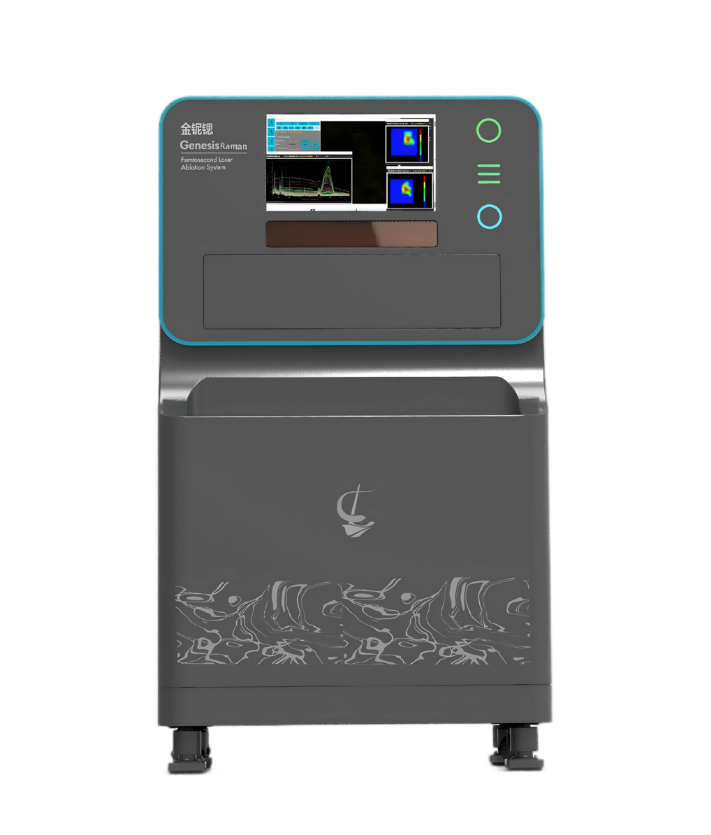
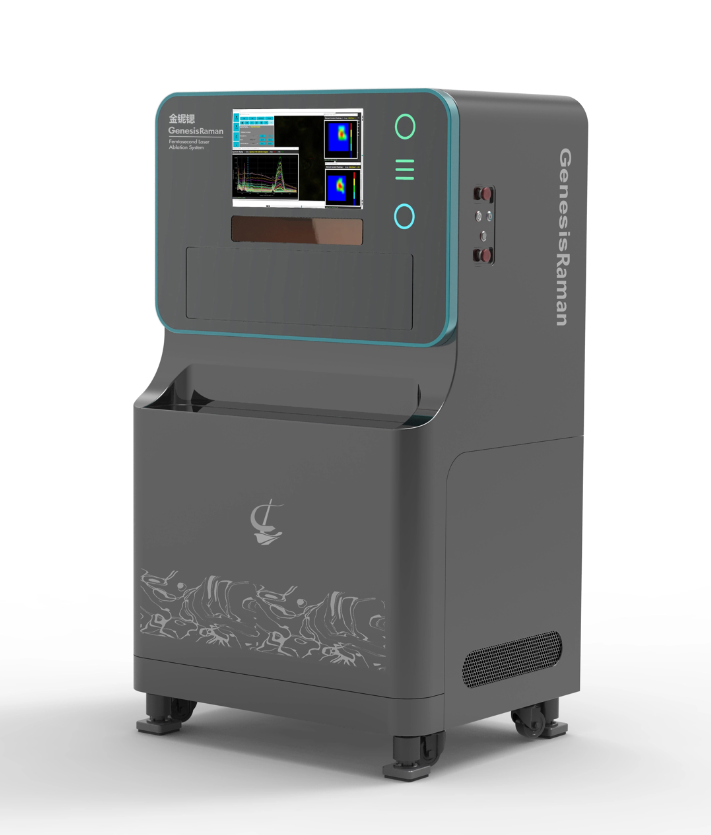
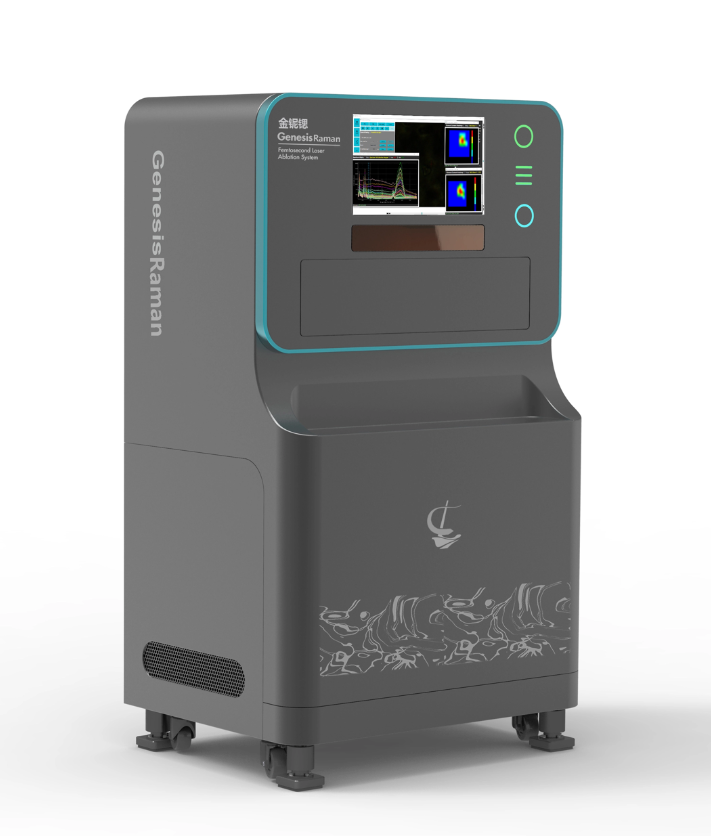


The GenesisRaman system integrates confocal Raman spectroscopy and precision temperature control platform with matrix-array femtosecond laser ablation. Building upon the stable, high-precision ablation performance of GenesisGEO, it extends capabilities to in-situ Raman spectroscopic detection and microthermometry. This system provides a unified platform for comprehensive fluid inclusion analysis, integrating Raman spectroscopy, microthermometry, and compositional analysis.
 技术特点
技术特点
GenesisRaman Femtosecond Laser Ablation - Raman Spectroscopy Fusion System
Developed independently by Shanghai Chemlab Instrument Co., Ltd., the GenesisRaman system represents the first domestically produced high-end research instrument integrating matrix-array femtosecond laser ablation, confocal Raman spectroscopy, and heating–freezing stage. The system is equipped with a high-energy femtosecond laser, high-definition microscopy, high-spectral-resolution Raman detector, Z-axis dynamic zoom control system, cryogenic ablation module, and nanometer-precision 3D translation stage. It delivers reliable, efficient, and accurate molecular structural and chemical compositional analysis of fluid inclusions for research on ore-forming fluid sources, petroleum reservoir formation, deep geological processes, and metallogenic mechanisms.
Key advances over conventional LA-ICP-MS for fluid inclusion analysis:
1. Difficulty in inclusion observation?
→ Clear visualization of inclusions <10 μm

Figure 1: Clear observation of sub-10 μm inclusions
2. Challenges with 193 nm nanosecond laser ablation?
→ Efficient ablation of host minerals including quartz and fluorite
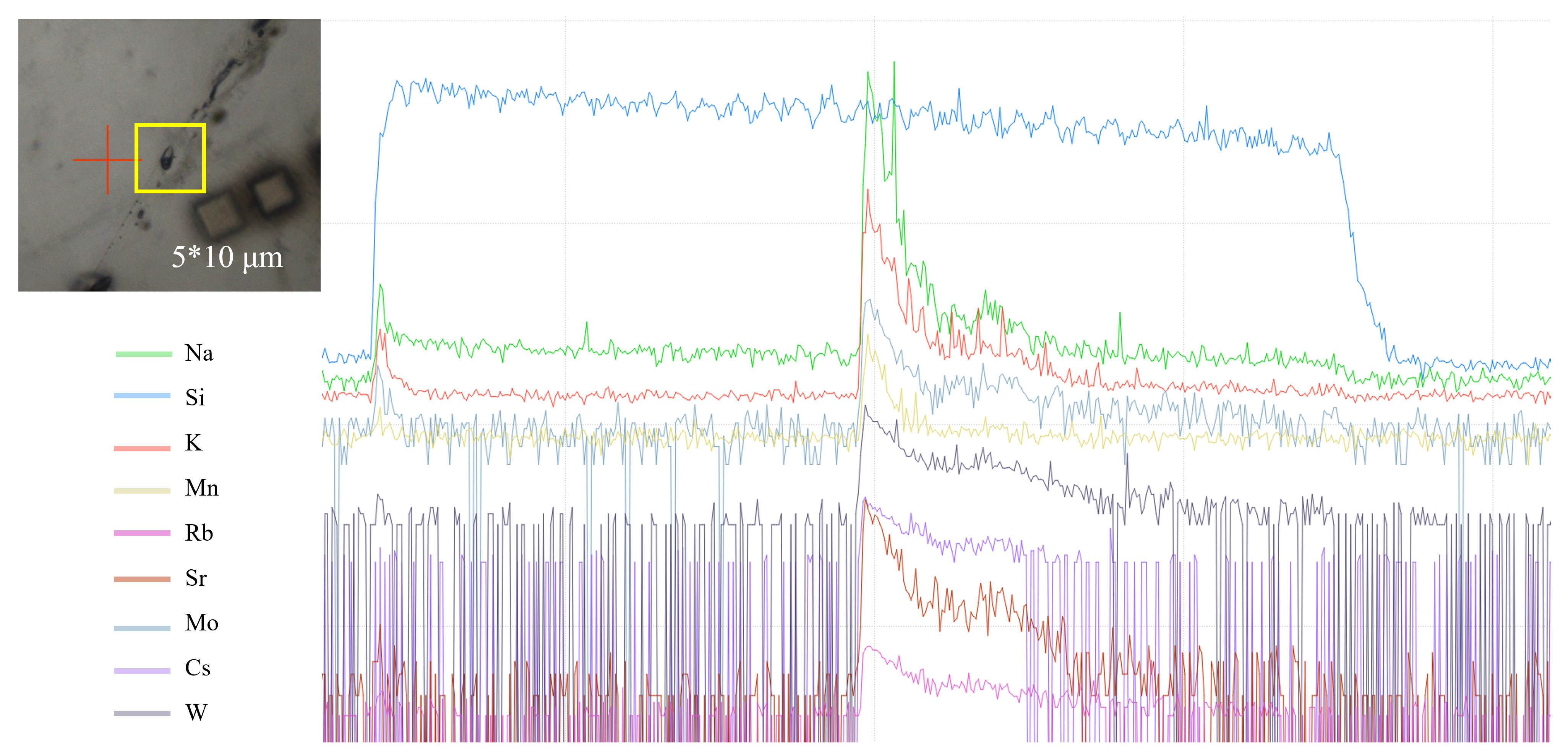
Figure 2: Efficient ablation of quartz-hosted fluid inclusions
3. Depth-of-field limitations with conventional femtosecond systems? Liquid splashing during fluid inclusion ablation compromising signal acquisition?
→ Z-axis dynamic zoom combined with cryogenic ablation technology
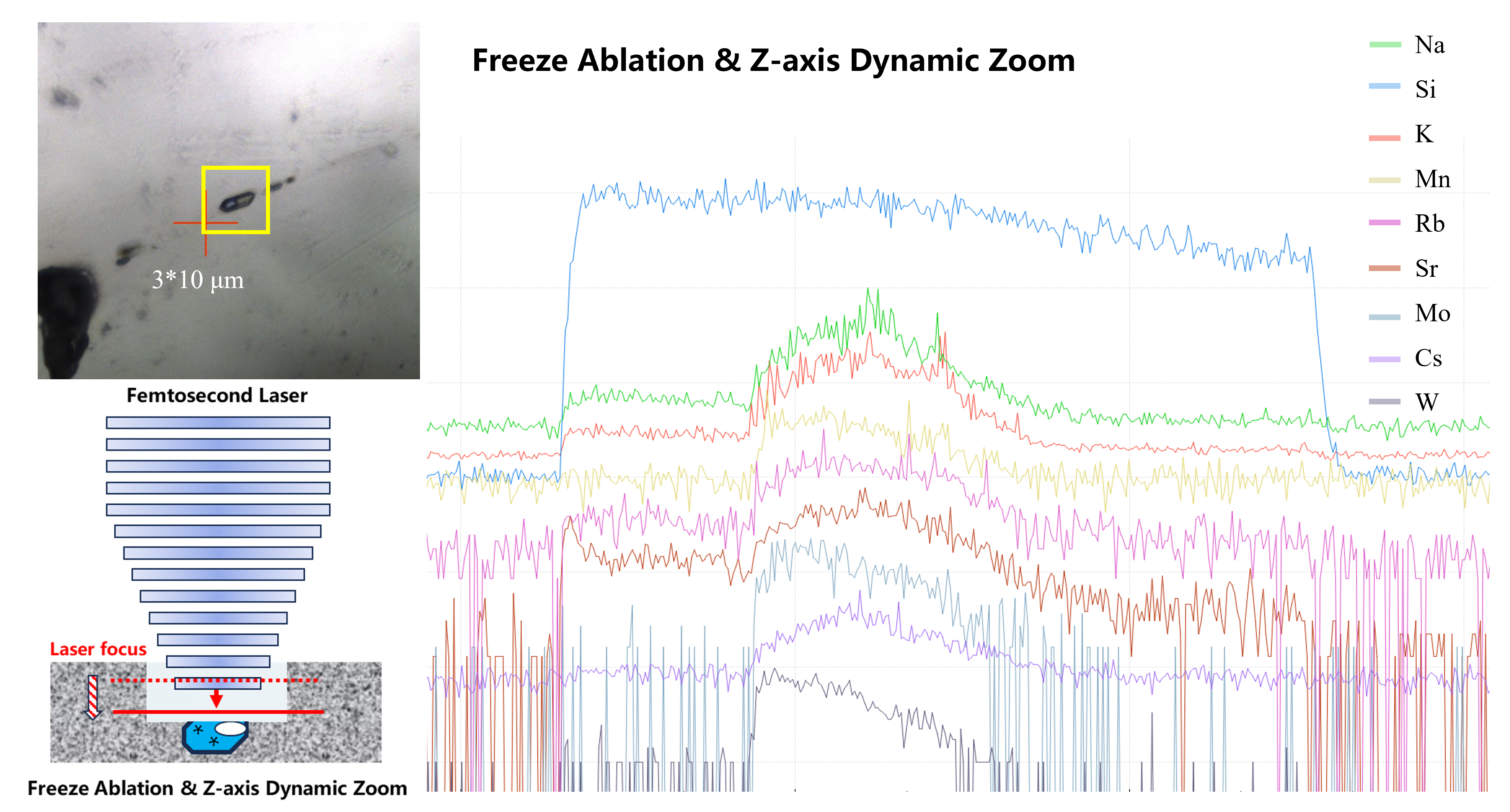
Figure 3: Stable ablation of quartz-hosted fluid inclusions using Z-axis dynamic zoom and cryogenic ablation
4. Sample transfer, repositioning errors, and calibration difficulties between separate Raman, microthermometry, and laser ablation instruments?
→ Unified platform control and data integration
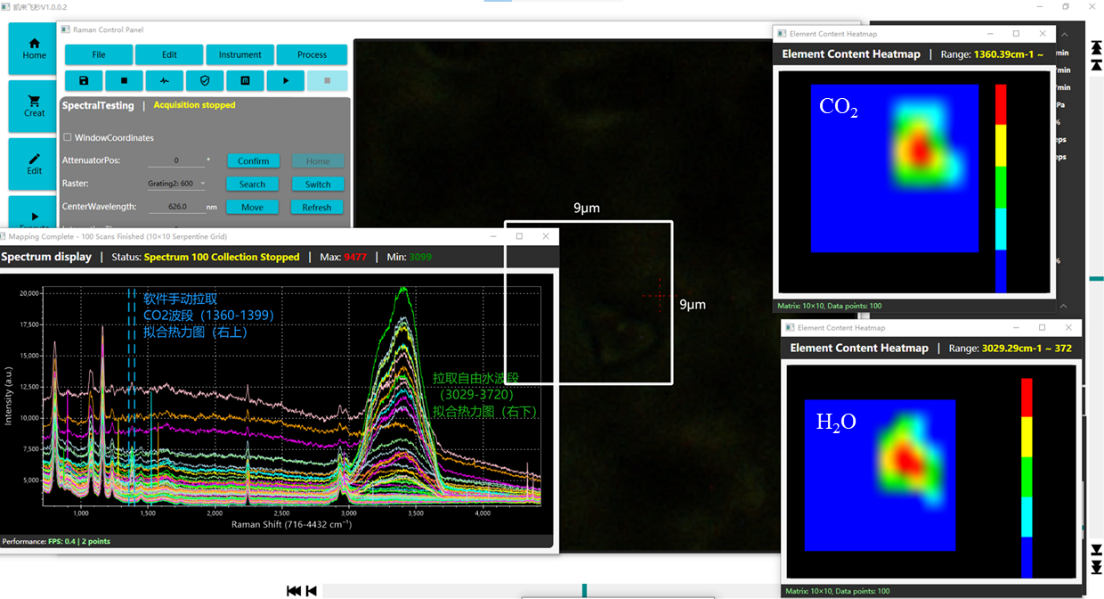
Figure 4: Laser ablation, Raman spectroscopy, and heating–freezing stage integrated within a single control and analysis software platform, eliminating multi-instrument calibration and secondary positioning
5. Complex operation, low data accuracy, and prolonged experimental cycles?
→ High data accuracy and analytical efficiency
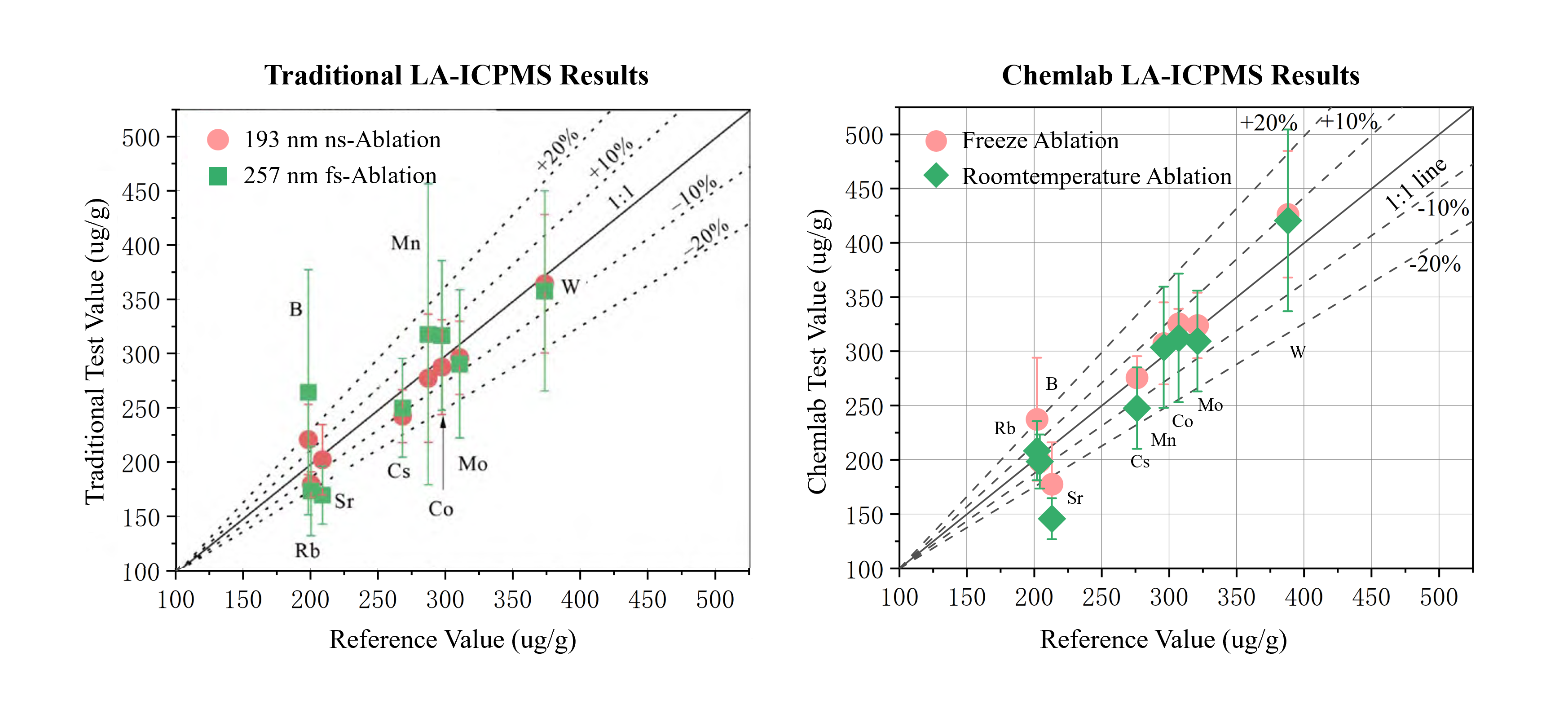
Figure 5: Comparison of data accuracy between conventional LA-ICP-MS fluid inclusion analysis (Jiang et al., 2024) and Chemlab LA-ICP-MS fluid inclusion analysis
应用领域

Quartz U-Pb dating technology enables direct determination of precise timing for hydrothermal veins, mineralization, and low-temperature geological events. Breaking through the limitations of traditional geochronometers, it provides critical chronological evidence for understanding metal ore genesis, tectonic-hydrothermal activities, and basin evolution processes
Carbonate U-Pb dating technology enables direct determination of depositional-diagenetic ages for marine limestones and dolostones, as well as mineralization timing. It provides a precise chronological framework for studying hydrocarbon reservoir evolution, paleoclimate reconstruction, and carbonate-hosted ore deposits
Zircon U-Pb dating stands as the cornerstone of isotope geochronology, acclaimed as the "gold standard" of geological dating. It enables precise determination of critical event timing spanning from the Hadean Eon to the present, including magmatic crystallization and metamorphic overgrowth. Serving as a core tool for exploring Earth's formation, continental evolution, and supercontinent cycles, zircon U-Pb geochronology has fundamentally shaped our understanding of deep time processes
We provide 500 nm-scale high-spatial-resolution element mapping services based on multiple techniques including femtosecond laser ablation ICP-MS (fSLA-ICP-MS) and LIBS, enabling precise visualization of elemental micro-distributions in geological, biological, and environmental samples. Our services reveal critical information such as mineral growth zoning, elemental occurrence modes, and biological tissue metabolism, delivering visualized data support for cutting-edge research
相关资料
Copyright 2024 Shanghai CHEMLAB Instrument Co., Ltd. All Rights Reserved
Shanghai ICP Filing No.65656565
 Contact us
 Download